
INSURANCE FOR EVEERY STAGE OF LIFE

Insurance for every stage of life refers to the various insurance plans that are appropriate and advantageous for you at different stages of your life. Here are a few typical insurance kinds that you may want to think about at different phases:
-
Young Adults:
– Health Insurance: To protect against unforeseen medical bills and to pay for medical charges.
– Renters insurance: To safeguard personal property when renting out a space.
– Auto Insurance: Needed to safeguard against damages and accidents if you own a vehicle.
-
Bringing Up the Kids:
– Life Insurance: Offers your loved one’s financial security in the case of your demise.
– Renters’ or homeowners’ insurance protects your house and possessions from theft or damage.
– Disability Insurance: Provides financial support in the event that a disability prevents you from working.
-
Mid-Career:
– Long-Term Care Insurance: Pays for in-home care or nursing homes, among other long-term care services.
– Umbrella Insurance: Offers more liability protection than your house and vehicle insurance does.
– Business insurance: This shields business owners from liabilities and dangers related to their operations.
-
Retirement:
– Medicare and Supplemental Insurance: Pays for medical costs for people 65 years of age and above.
– Long-Term Care Insurance: Assists with retirement planning by defraying the expense of long-term care services.
– Travel insurance: Offers protection against unforeseen circumstances or urgent medical attention while on the road. Recall that these are only examples and that the precise insurance requirements may change based on a person’s unique situation. It’s wise to speak with an insurance expert to find the right coverage for your particular circumstances.
Below is a broad summary of the insurance kinds that are typically pertinent at various phases of life in UK:
1.Adults in their 20s and 30s:
Health Insurance: To pay for medical costs and give access to healthcare services, young persons should place a high priority on having health insurance.
-
Establishing a Family in the 30s–40s:
- Life Insurance: In the event of the policyholder’s passing, life insurance becomes increasingly important to safeguard dependents’ finances.
- Disability Insurance: In the event of a sickness or injury that renders a person disabled, disability insurance helps replace lost income.
- Homeowner’s Insurance: To guard against loss or damage to personal property, homeowner’s insurance is a must when purchasing a home.
-
Midlife: 40s to 50s:
- Increased Life Insurance: Modify your life insurance policy to account for future requirements and shifting financial obligations.
- Long-Term Care Insurance: To help with future long-term medical care expenditures, think about purchasing long-term care insurance.
-
50s and 60s Empty Nesters:
- Retirement Planning: Pay attention to this, as it can entail modifying life insurance and other coverages.
- Examine Health Insurance: Considering that medical demands can alter, consider your options for health insurance.
-
Pre-Retirement 60s:
- Pensions and Retirement Savings: Examine your alternatives for pensions and make retirement savings a priority.
- Medicare Planning: As eligibility draws near, be aware of Medicare benefits and make plans for them.
-
Retirement (beyond 70 years of age):
- Review of Life Insurance: Determine whether life insurance is still required and modify coverage as necessary.
- Long-Term Care Planning: Keep your affairs in order in case you require long-term care.
-
Overall Thoughts:
- Emergency Fund: Having an emergency fund is essential for covering unforeseen costs and minimizing the need to rely on insurance for minor financial setbacks, regardless of one’s stage of life.
- Review and Modify: Continually assess and modify insurance policies in light of evolving financial situations, family structures, and life events.
8. Additional Insurance Considerations:
- Auto Insurance: Keep your policy in place for as long as you can, modifying the coverage as necessary.
- Umbrella Insurance: If normal policies don’t offer enough liability coverage, think about getting umbrella insurance.
What is Insurance:

You may guard against financial loss for yourself or your possessions by getting insurance. It functions similarly to a safety net you may depend on in case something unforeseen occurs. When you purchase insurance, you pay an insurance company a regular monthly in exchange for them agreeing to pay for specific expenses or losses in the event that one of the events covered by the policy takes place. For instance, if you are in an accident and have auto insurance, your insurance provider might assist with paying for any necessary repairs or medical bills. There are various kinds of insurance, such as life, house, vehicle, and health insurance, and they all have different functions. Insurance helps you manage risks in life and provides you with peace of mind.
The following are some essential ideas related to insurance:
-
Premium:
The sum of money you have to pay the insurance provider in order to receive coverage. It may be paid quarterly, annually, or on a monthly basis.
-
Deductible:
The amount of money you have to fork over before your insurance starts to pay. For instance, if your auto insurance has a $500 deductible and you are in an accident that results in $2,000 worth of damage, you will be responsible for the first $500 and the insurance company will pay the remaining $1,500.
-
Coverage Limit:
The highest sum of money that an insurance policy will cover a loss that falls under its purview. The most the insurance company would pay in the event that your home was destroyed or damaged, for instance, if your policy had a $300,000 coverage limit.
-
Policy:
This is the agreement that specifies the terms and conditions of your coverage and is signed by you and the insurance provider. It contains information about what is covered, the limits of coverage, and any exclusions or conditions.
-
Claim:
You have the option to submit a claim to your insurance provider following a covered loss or incident. This is a formal request that they give you the benefits and coverage that are specified in your policy.
-
Underwriting:
This is how insurance providers assess the risk involved in providing coverage for an individual or piece of property. Your driving history, age, health, and the property’s value are all taken into account when calculating the premium, you will have to pay. These are only a handful of the fundamental ideas related to insurance. Because insurance can be complicated, it’s wise to read and comprehend your policy, ask questions, and, if necessary, seek the advice of an insurance expert.
-
Risk Control:
An essential component of risk management is insurance. It enables people and organizations to shift the financial burden of specific risks to an insurance provider.
-
Beneficiary:
The individual or organization selected to get the death benefit in the event that the insured person passes away is known as the beneficiary in life insurance plans.
There are a few important factors to take into account when it comes to insurance for every stage of life. The priorities and requirements for insurance can shift from early adulthood until retirement. A few possibilities include:
Insurance for Young Adults: As they begin to navigate the adult world, insurance is crucial for young adults. It is a crucial component of financial planning that can offer security and protection. When getting started, keep the following important insurance types in mind:
1.Health insurance:

This covers medical expenses like doctor visits, hospital stays prescription medications. It’s crucial to have health insurance to protect yourself from unexpected medical costs. When getting started, keep the following important insurance types in mind:
- Importance: In order to pay for medical bills and guarantee access to healthcare services, health insurance is essential.
- Options:
- Health plans provided by employers
- Plans for the marketplace (individual plans)
- Continue using your parents’ insurance (if eligible)
2.vehicle Insurance:
You must need vehicle insurance if you drive a car! In the event of an accident, it assists with damage or injury coverage. Moreover, it’s typically mandated by legislation.
- Importance: Auto insurance is required if you own a car and offers financial security in the event of an accident or damage to the vehicle.
- Coverage:
- Liability coverage
- Collision coverage
- Comprehensive coverage
3.Renter’s insurance:
This can shield your possessions in the event of theft, fire, or other covered incidents whether you’re renting an apartment or a home. It usually offers peace of mind and is reasonably priced.
- Importance: Prevents theft, fire, and other covered events from harming personal property in rental houses or apartments.
- Coverage:
- Covers personal property
- Liability coverage
- Additional living expenses if the rented space becomes uninhabitable
-
Life insurance:
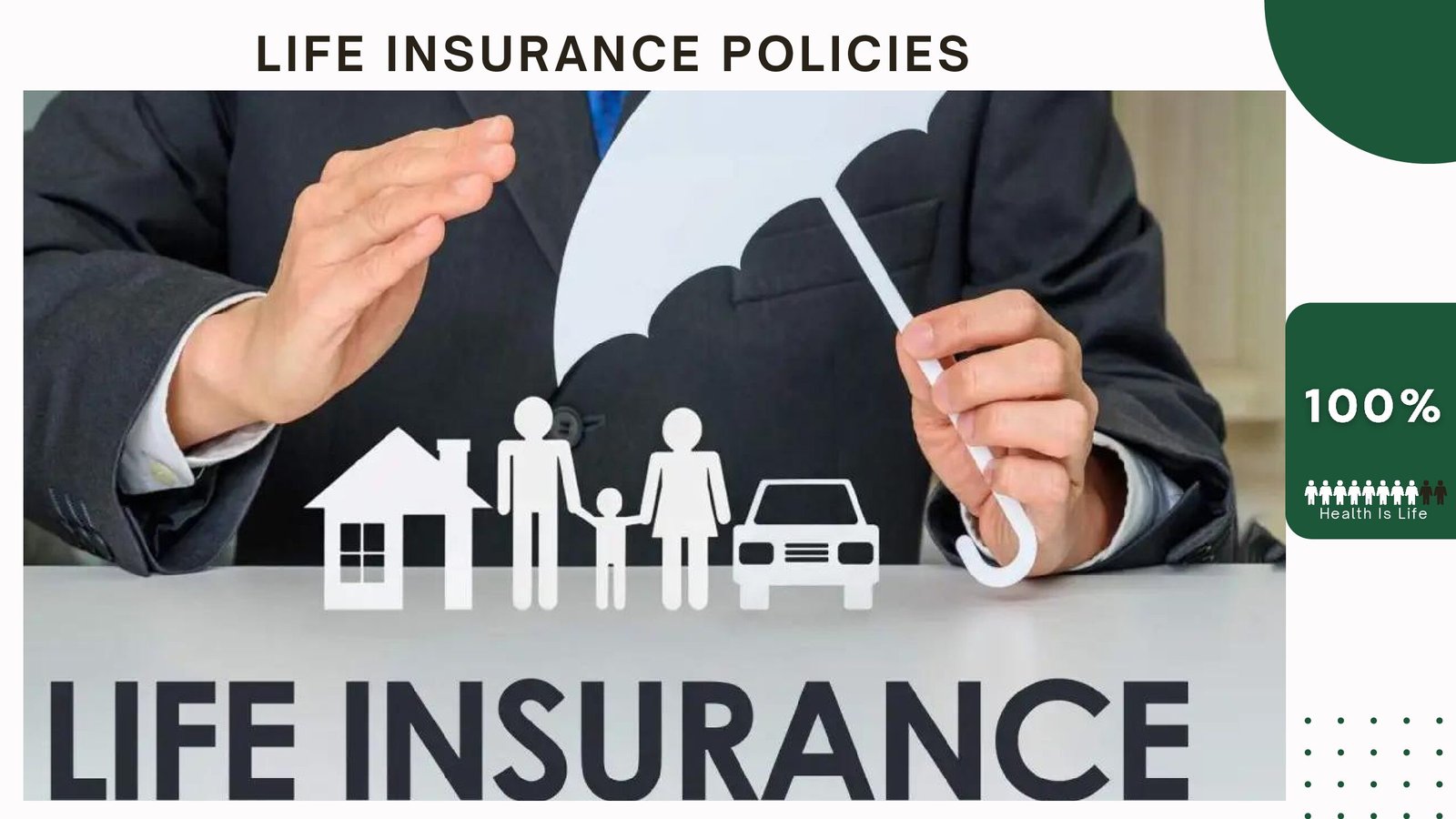
If something were to happen to you, your loved ones would be financially protected, even though it might not be your first priority when you’re young. It can support future plans for your family as well as burial expenses and debt repayment. Keep in mind that insurance can change depending on your region and unique situation, so it’s advisable to shop about and compare rates. Speak with an insurance professional, who can help you locate the right coverage for your needs and walk you through the process, as it’s always a good idea. Here some insurance companies in UK; UK health Insurance company, Nova Insurance company UK.
- Importance: Obtaining life insurance early can be more economical and offer financial security for dependents, even though it may not be a top concern for all young adults.
- Options: For young people, term life insurance is frequently a financially sensible option.
-
Disability Insurance:
it’s a type of insurance that provides income replacement if you become unable to work due to disability
- Importance: Offers financial support in the event that a disability prevents you from working.
- Coverage:
- Insurance for temporary disability
- Insurance against long-term disability
6.Advice for Young Adults:
- Shop Around: To get the finest coverage at a reasonable price, compare insurance quotes from several companies.
- Bundle plans: To possibly receive discounts, think about combining several insurance plans (such as renter’s and auto insurance).
- Know Your Coverage: Make sure you are aware of the conditions, limitations, and deductibles associated with your insurance policies.
- Review Every Year: As your circumstances (such as a new job, move, or marriage) alter, periodically assess your insurance needs.
7.Building protection:
Insurance for growing Families: Ensuring sufficient insurance coverage is essential for expanding families in order to safeguard against a variety of dangers and offer financial stability. For expanding families, keep in mind these important insurance factors:
8.Home insurance:

This is a type of insurance that protects your home and its contents against damage or loss due to events like fire, theft, or natural disasters. It’s important to have adequate coverage to rebuild or repair your home if something happens.
- Importance: Offers liability insurance as well as protection for the family’s home and possessions.
- Coverage:
- Home insurance
- Coverage for personal property
- covering for liabilities
-
Contents insurance:
This is a kind of insurance that covers the possessions or personal property inside a home. It is often referred to as renters’ insurance or personal property insurance. Although it is usually relevant to renters.
- Contents insurance provides coverage for valuable objects including jewelry, clothing, gadgets, furniture, and other personal belongings.
- Common hazards: Damages from common hazards, such as fire, smoke, theft, vandalism, and some forms of water damage, are usually covered by contents insurance.
- It’s vital to study the policy because the specific risks covered may differ.
2. Liability insurance:
This kind of insurance coverage shields people and companies against monetary damages brought about by legal actions or allegations that the insured party is liable for carelessness, harm, or property damage. Legal defense expenses, settlements, and judgments that the insured may have to pay are covered by this insurance.
- Life insurance: Should a parent or caregiver pass away; life insurance can offer growing families financial security. It can assist in paying for costs associated with daily life, childcare, schooling, and mortgage payments.
- Importance: In the event of the policyholder’s death, life insurance is crucial for replacing lost income and providing financial security for heirs.
- Choices:
- Term life insurance: Offers protection for a predetermined amount of time.
- Whole life insurance includes a cash value component and provides coverage for the duration of the insured’s life.
- Health insurance: It is essential for families to have health insurance. It assists in paying for hospital stays, prescription drugs, doctor visits, and medical costs. Selecting a plan that fulfills the requirements of your family is crucial.
- Significance: Health insurance is essential for paying for family members’ medical costs.
- Choices: Plans sponsored by employers
- Market schemes
- Policies for family health insurance
- Disability insurance: As previously discussed, disability insurance replaces lost income in the event that a disability prevents you from working. If you can’t work, it can assist make sure your family is financially stable. To understand your options and select the best coverage for your expanding family, it’s always a good idea to speak with an insurance agent or financial counselor. They can assist in creating a strategy that fits both your budget and your unique needs.
- Importance: In the event that a policyholder’s handicap prevents them from working, disability insurance replaces lost income.
- Options: Insurance for temporary disability
- Insurance against long-term disability
Planning for the Future: Insurance and Beyond: Making plans for the future entails taking into account many facets of your life and making actions to guarantee your well-being, financial stability, and mental tranquility outside of insurance, insurance isn’t the only thing that goes into future planning. It’s about ensuring that you have a strong financial base for whatever the future may hold. Here are some points to think about:
-
Emergency fund:
It is essential to have an emergency reserve. It’s a reserve of cash placed up for unforeseen costs such as auto repairs, medical bills, or job loss. Try to save three to six months’ worth of living costs.
-
Retirement savings:
As early as possible, begin putting money aside for your future. Think about making contributions to an individual retirement account (IRA) or a 401(k)-style retirement plan. If there is an employer matching contribution option, take advantage of it.
-
Estate planning:
It’s critical to establish a strategy for the distribution of your possessions following your passing. This entails drafting a will, naming beneficiaries, and, if required, taking trusts into consideration. Speak with a lawyer to make sure your preferences are recorded in writing.
- Will and Trust: To outline the distribution of your possessions, draft a will and think about setting up a trust.
- Power of Attorney: With a power of attorney, you can name a representative to handle financial and legal affairs on your behalf.
- Healthcare Directive: To specify your medical choices in the event that you are unable to express them, draft a healthcare directive.
-
Savings for education:
If you have kids, you might want to establish a 529 plan-style college savings account. This tax-advantaged account can assist with future educational costs.
- 529 Plans: If you want to save money for college costs, have a look at 529 plans.
- Scholarships and Grants: Look into possibilities for paying your education through scholarships and grants.
-
Financial objectives:
Establish clear financial objectives for your family and yourself. Having specific goals may keep you motivated and focused, whether you’re establishing a business, paying off debt, or saving for a down payment on a home. Recall that as your family’s needs change, it’s crucial to periodically assess and update your financial plan and insurance coverage. While making plans for the future is a continuous process, following these guidelines can contribute to financial security and peace of mind.
- Budgeting: To successfully manage income, expenses, and savings, create a budget.
- Investing: Look into investment opportunities to support long-term wealth growth.
- Retirement Savings: To ensure financial stability in retirement, make contributions to retirement accounts like 401(k)s or IRAs.
-
Health and Wellness:
Wellness and health refer to a comprehensive strategy for preserving and improving one’s general state of well-being. It entails establishing lifestyle decisions and routines that support mental, emotional, and physical well-being.
- Health Insurance: Make sure you have enough coverage for unexpected medical costs.
- Healthy Lifestyle: To avoid health problems and save healthcare expenses, adopt a healthy lifestyle.
-
Career and Skill Development:
Wellness and health refer to a comprehensive strategy for preserving and improving one’s general state of well-being. It entails establishing lifestyle decisions and routines that support mental, emotional, and physical well-being.
- Investing in continuous education and skill development will help you stay competitive in the job market.
- Planning Your Career: Make long-term career goals and plans for job advancement.
-
Homeownership and Real Estate:
Real estate and house ownership encompass many different things, from buying a property to managing and maintaining it.
- Mortgage Planning: Make a schedule for your mortgage payments and look into refinancing possibilities.
- Property upkeep: To keep your property’s worth intact, do routine maintenance.
-
Family Planning:

Making educated decisions about when and how many children to have, as well as how long to wait between births, is known as family planning. It includes a range of factors pertaining to individual objectives, family well-being, and reproductive health.
- Family objectives: Talk about and make plans for family objectives, such starting a family, and take the related financial costs into account.
- Life Insurance Review: Make sure your family’s needs are met by regularly reviewing your life insurance coverage.
-
Legal Protection:
Legal safeguards are essential for guaranteeing that people and organizations are protected from a range of dangers and difficulties. These safeguards cover a broad range of topics, including contracts, property, individual rights, and more.
- Insurance Above and Beyond: To offer more liability protection, think about supplemental insurance, like umbrella insurance.
- Legal Advice: Make sure you have the right legal safeguards in place by getting legal advice for your particular circumstances.
- Technology and Cybersecurity: Cybersecurity and technology are essential to protecting data, networks, and systems in the quickly changing digital world.
- Digital Assets: Plan for the management and transfer of digital assets.
- Cybersecurity: Implement cybersecurity measures to protect personal and financial information.
-
Community Engagement:
Establishing constructive connections and working together with communities, organizations, and individuals is the goal of community engagement. It seeks to strengthen communities, deal with problems as a group, and improve society as a whole.
- Building and maintaining personal and professional networks might help you find opportunities and assistance.
- Community Involvement: Make a difference in your community by volunteering or participating in neighborhood projects.
-
Conclusion:
Planning for the future involves a holistic approach that considers various aspects of your life. Regularly reassess your goals, update your plans, and seek professional advice when needed. It’s important to strike a balance between short-term and long-term priorities to achieve a fulfilling and secure future.





1 thought on “INSURANCE FOR EVERY STAGE OF LIFE”